
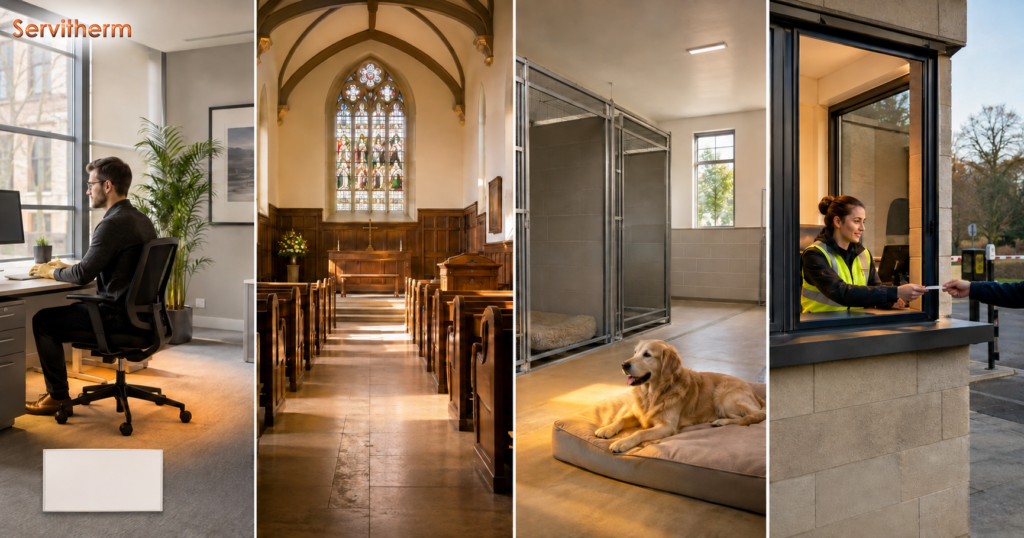
Radiant panel heaters can provide targeted warmth in places where heating an entire room or building is inefficient, impractical or unnecessary. Instead of treating every area as though it has the same heating requirement, radiant panels can be positioned near the people, animals or occupied workstations that need warmth.
This makes them particularly useful in buildings with high ceilings, frequent draughts, intermittent occupancy or clearly defined occupied areas. Typical applications range from offices and reception desks to churches, gatehouses, ticket offices, kennels and catteries.
The suitability of a radiant panel heater depends on more than the size of the room. The position of the occupants, the length of time the space is used, the available mounting locations and the level of control required should all be considered. A panel that works effectively beneath an office desk, for example, would need to be positioned and controlled differently from one installed beneath a church pew.
This guide examines where radiant panel heaters can be used and what should be considered in each setting. For a more detailed explanation of the technology itself, read our guide to how radiant panel heaters work.
When Is Localised Radiant Heating Most Useful?
Localised radiant heating is most valuable when warmth is required in a specific occupied area rather than evenly throughout an entire building.
This commonly includes:
- Individual desks and workstations
- Reception and retail service points
- Church pews and seating areas
- Gatehouses, kiosks and ticket offices
- Kennels, catteries and other animal accommodation
- Stockrooms and infrequently occupied workspaces
- Changing rooms and suitable bathroom locations
In these situations, the objective is not necessarily to replace the building’s principal heating system. A radiant panel may instead provide supplementary warmth where the existing system does not adequately serve the people using a particular area.
This distinction is important. A permanently occupied, well-insulated office may benefit most from an appropriately designed whole-room heating system. Conversely, operating that system at a higher temperature simply because one desk is positioned beside a cold external wall or draughty entrance may be inefficient. Localised heating allows that specific problem to be addressed without automatically increasing the temperature everywhere else.
The same principle applies to large or intermittently occupied buildings. Attempting to heat the complete air volume of a church, warehouse or similar high-ceilinged space for a small number of occupants can require considerably more energy than supplying controlled warmth around the occupied zone.
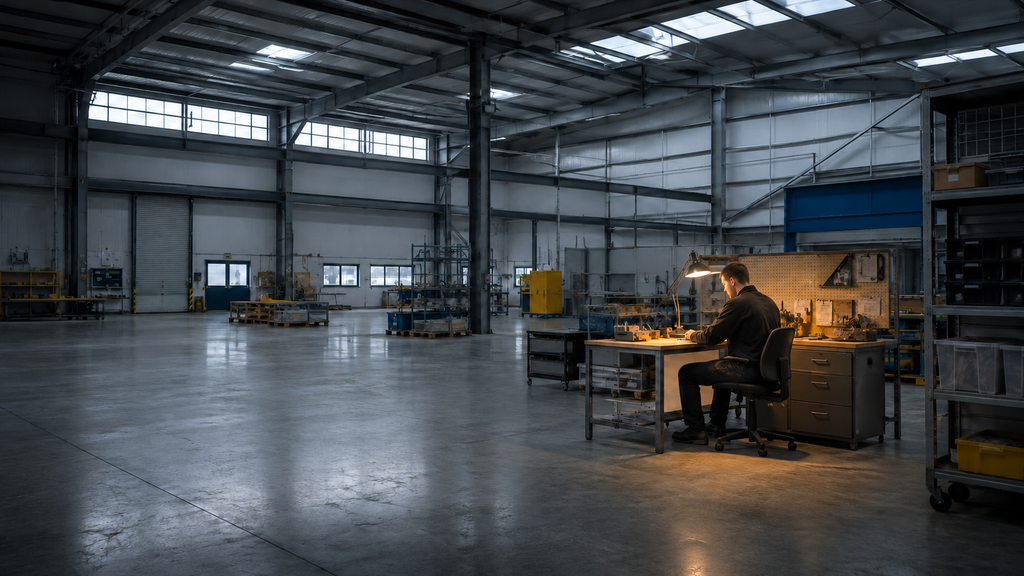
A suitable solution must nevertheless account for electrical safety, clearances, surface temperatures, mounting instructions and the conditions in which the heater will operate. Panels should always be selected and installed according to their intended environment rather than treated as interchangeable portable heaters.
Under-Desk Heating for Offices and Workstations
Office temperature complaints do not always indicate that the entire workplace is too cold. Individual discomfort can be caused by draughts, cold external walls, large windows, air movement, workstation position or differences in personal preference.
The Health and Safety Executive explains that workplace thermal comfort is affected by environmental and personal factors—not air temperature alone. Its guidance also identifies reducing draughts, allowing thermostat adjustment and providing personal heaters as possible ways to improve thermal comfort in the workplace.
An under-desk radiant panel can provide local warmth around a seated employee without requiring the temperature of the entire office to be increased. This can be particularly useful for:
- Desks positioned close to external doors
- Receptionists working near frequently opened entrances
- Workstations beside large areas of glazing
- Individual employees who experience cold legs or feet
- Partially occupied offices where only a few desks are in use
- Home offices and compact workspaces

The panel should be installed where its radiant output is directed towards the occupied position, while preserving sufficient legroom and avoiding contact with stored items, cables or other obstructions. Controls should also be accessible so that the user can adjust the heat or switch the panel off when the workstation is unoccupied.
Local heating should form part of a considered workplace solution. It should not be used to disguise a significant building defect, an unsafe working environment or a heating system that is fundamentally inadequate for the premises.
[LINK TO SUPPORTING ARTICLE: Place a contextual link to “Under-Desk Heating for Offices and Workstations” here.]
Radiant Heating for Churches and Church Pews
Churches can be particularly challenging to heat. Many have high ceilings, substantial internal air volumes, historic materials and patterns of use that vary considerably throughout the week. A church may be occupied for a service or community activity and then remain empty for an extended period.
Under these circumstances, heating the entire building to a uniform temperature may not always be the most appropriate way to improve comfort. Localised heating can concentrate warmth around the occupied pews or seating areas while reducing the need to raise the temperature of every unused part of the church.
The Church of England’s current heating guidance states that localised solutions, including pew heaters and infrared panels, can provide comfort without wasting energy. It describes this approach as localised or “people” heating, which can form part of a wider strategy based on how frequently the building is used.
Potential applications include:
- Heating occupied pews during regular services
- Providing warmth in a smaller seating area for weekday activities
- Supplementing background heating during colder periods
- Serving parts of the church used for meetings or community groups
- Heating people during relatively short periods of occupancy
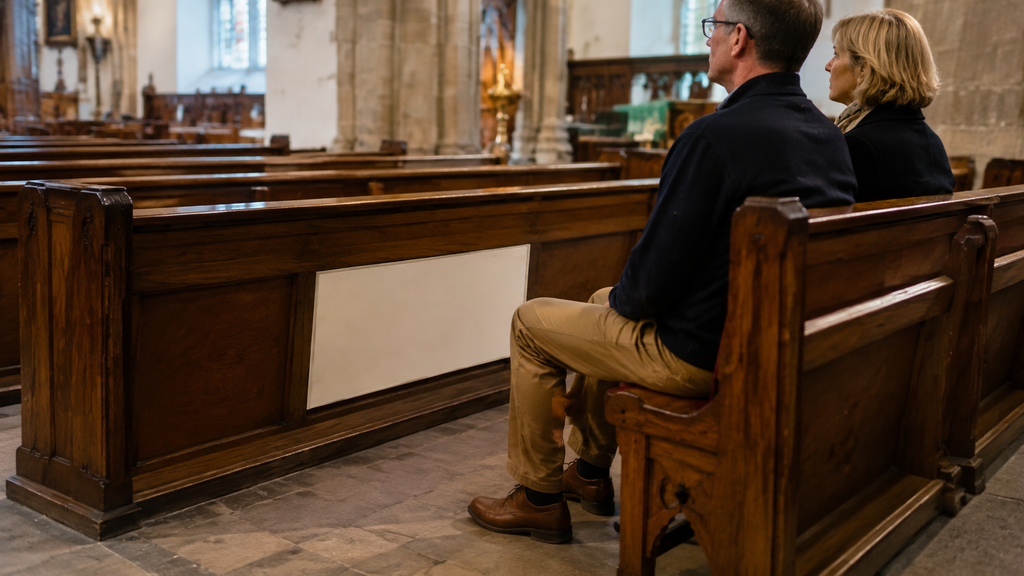
However, installation in a historic place of worship requires careful planning. The significance of the building, electrical capacity, condition of the seating, visibility of wiring and potential effect on historic fabric must all be considered. Historic England notes that electric pew heaters may be useful where only a small area is occupied, but cautions against attaching them to seating of historic or aesthetic interest where installation could cause damage.
Any proposal affecting a listed church or historic interior should therefore be discussed with the appropriate church and conservation authorities before work begins. Product selection should follow from the building assessment—not precede it.
Low-Energy Heating for Kennels and Catteries
Kennels and catteries require carefully controlled conditions rather than indiscriminate heating. Animals must be protected from cold, excessive heat, draughts and direct contact with electrical equipment. Their requirements can also vary according to age, breed, coat, health and individual tolerance.
A radiant panel can provide supplementary warmth within a defined resting or sleeping area without necessarily heating every part of the accommodation to the same level. This may be useful in:
- Individual kennel sleeping compartments
- Cattery sleeping areas
- Veterinary recovery spaces
- Animal shelters and rehoming facilities
- Breeding and boarding establishments
- Staffed animal-care areas requiring additional local warmth
The installation must allow animals to move away from the heated area. A panel should not create an enclosure in which the animal has no cooler alternative, and it should never be positioned where an animal could touch the heater, damage its wiring or interfere with its controls.
Temperature monitoring remains essential. A radiant panel should not be treated as a substitute for suitable insulation, ventilation or a properly designed primary heating system where one is required.
Current government guidance for licensed dog boarding establishments states that temperature regulation should keep at least part of the sleeping area above an absolute minimum of 10°C and below 26°C. It also requires dogs to be able to move away from a direct heat source. Heaters and electrical equipment must not create a risk of burning, electric shock or fire. These requirements are explained within the Government’s statutory guidance for dog kennel boarding.
Different standards may apply according to the type of establishment, animal and UK nation. Operators should check their applicable licensing conditions and obtain appropriate professional advice before selecting or installing a heating system.
The heater’s ingress protection rating must also suit the environment. Kennels and catteries may be exposed to moisture, cleaning water, animal hair and dust, so a panel intended only for a dry office should not automatically be assumed suitable. Installation location, cable protection and cleaning procedures must form part of the assessment.
Localised Heating for Gatehouses, Ticket Offices and Retail Workstations
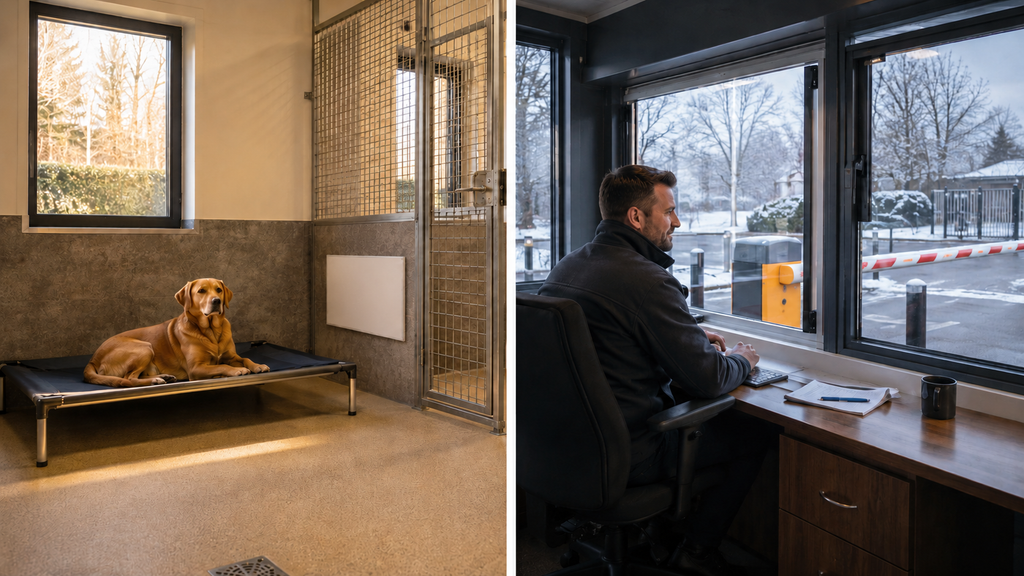
Gatehouses, ticket offices, reception desks and retail service points often combine limited floor space with challenging working conditions. Employees may remain seated or relatively inactive while doors, shutters or service windows are opened repeatedly throughout the day.
A building’s main heating system may maintain an acceptable general temperature while the person stationed closest to the opening still experiences localised discomfort. Raising the temperature throughout the premises may not resolve the draught at the workstation and could make other areas unnecessarily warm.
A compact radiant panel can provide targeted warmth at the occupied position. Possible applications include:
- Security and site-entrance gatehouses
- Railway and visitor ticket offices
- Reception desks near external doors
- Retail checkouts and customer-service points
- Warehouse administration stations
- Toll booths, kiosks and control cabins
- Permanently staffed workstations in larger industrial spaces
Panel positioning is critical. The heater should face the occupied area without obstructing movement, controls, storage or access routes. At retail checkouts, it should provide warmth to the employee’s side of the workstation without directing unnecessary heat towards customers, temperature-sensitive goods or electronic equipment.
The expected occupancy pattern should determine the controls. A continuously staffed gatehouse may require thermostatic regulation, while an intermittently occupied workstation may benefit from a timer or straightforward user control. Effective heating controls can prevent spaces from being overheated and allow heating periods to correspond more closely with actual use.
Other Suitable Applications
The same localised-heating principle can be applied in other settings, provided that the product and installation are appropriate for the environment.
Stockrooms and occasional work areas
A stockroom may be occupied for short periods while employees receive deliveries, organise inventory or prepare orders. Targeted heating around the regular working position may be more practical than maintaining the entire space at an elevated temperature throughout the day.
However, heaters must be kept clear of packaging, stored products and combustible materials. Required clearances should be maintained even when stock levels or storage layouts change.
Changing rooms and suitable bathroom locations
Radiant panels can also provide local warmth in changing rooms and certain bathroom environments. Any electrical heater used in a wet location must be suitable for the relevant installation zone and have the required protection against moisture.
Bathrooms present an increased electric-shock risk because wet skin reduces the body’s resistance. Electrical Safety First recommends using a registered electrician for bathroom installations and explains that circuits in bathrooms or shower rooms require appropriate RCD protection.
A product’s IP rating alone does not determine whether it can be fitted anywhere in a bathroom. Its location, electrical supply, controls, manufacturer’s instructions and applicable wiring requirements must all be assessed.
How to Choose the Right Application
Before specifying a radiant panel heater, establish:
- Who or what requires warmth? Identify the person, animal or occupied zone rather than beginning with the total room area.
- How long is the area occupied? Intermittent and continuous use may require different controls.
- Where can the panel be positioned? It needs a clear path towards the target area without creating an obstruction or contact hazard.
- What environmental protection is required? Moisture, dust, cleaning processes and public access can affect product selection.
- Is local heating supplementary or primary? A low-wattage panel should not be expected to correct inadequate insulation or replace a full heating system without a proper assessment.
- How will it be controlled? Thermostats and timers can prevent unnecessary operation and excessive temperatures.
- Who should install it? Fixed electrical installations and specialist environments may require a suitably qualified professional.
A Targeted Approach to Heating
Radiant panels are most useful where the heating requirement is specific and clearly defined. Under desks, beneath church pews, inside suitable animal accommodation and beside draught-prone workstations, they can bring warmth closer to the area that actually needs it.
The correct solution depends on positioning, occupancy, controls and environmental conditions—not simply choosing a panel by room size. By assessing each application individually, organisations can improve comfort without automatically heating unused space or duplicating the role of an existing whole-building system.
For advice on selecting a suitable Servitherm radiant panel and control for a particular application, contact our team or explore the Servitherm panel-heater range.